

11 May What to Wear on a Murrells Inlet Boat Tour: A Packing List for Every Season
You’ve booked your dolphin tour with Blue Wave Adventures. You’ve got your confirmation email, you know where to park, and you’re already looking forward to seeing wild bottlenose dolphins in the salt marshes of Murrells Inlet. There’s just one question left: what do you actually bring?
It’s a question we hear constantly at the dock, and it’s a genuinely good one. A boat tour on the South Carolina coast is a different experience from a day at the beach or a walk on the Murrells Inlet Marshwalk. You’re on open water, exposed to sun, wind, and spray, potentially for two hours or more. The difference between being well-prepared and underprepared is the difference between a memorable, comfortable adventure and a sunburned, squinting, slightly miserable one.
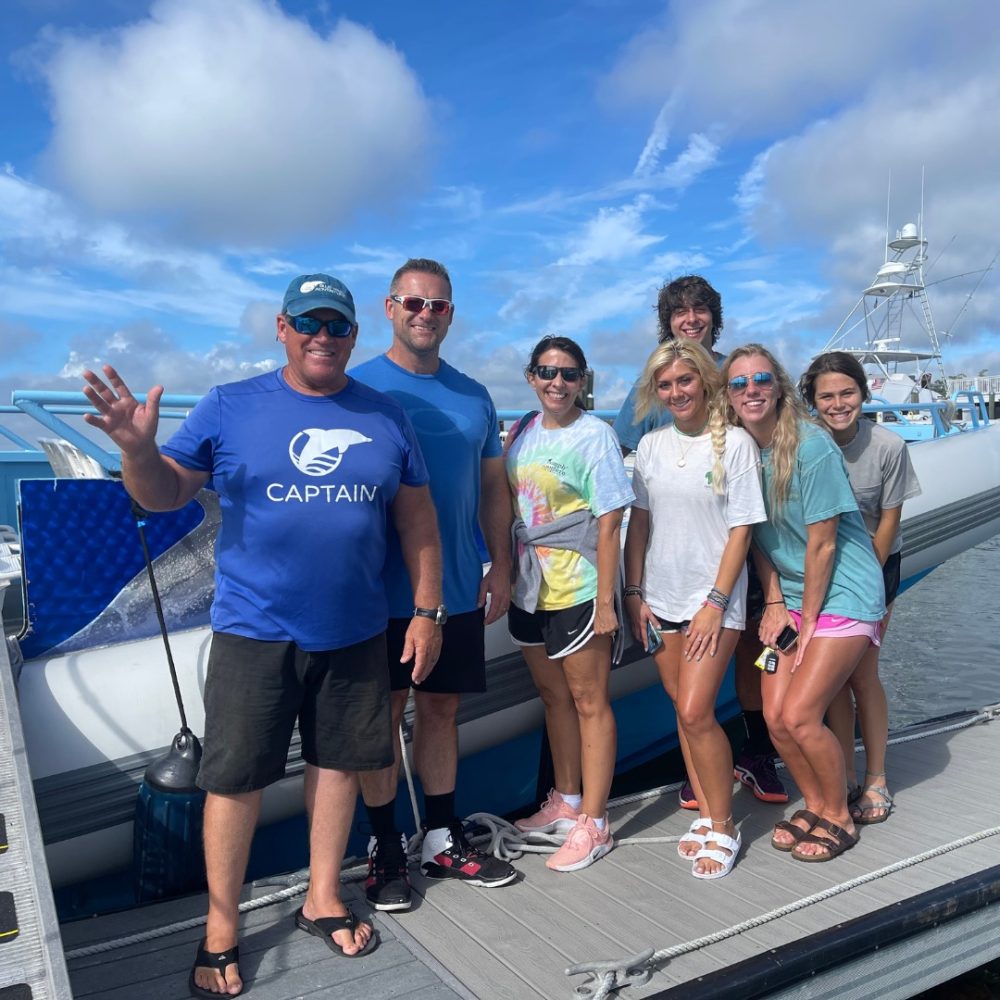
Captain Mark and the crew at Blue Wave Adventures have put together this complete, season-by-season packing guide so you know exactly what to bring — and what to leave at the hotel — for your tour.
The Year-Round Essentials: Bring These No Matter What
Regardless of the season or the forecast, certain items belong in your bag every single time you step aboard a boat in Murrells Inlet.
Reef-Safe Sunscreen — Non-Negotiable
This is the most important item on this list, and we mean that. The South Carolina sun reflects off the water with an intensity that catches even experienced boaters off guard. You will burn faster on the water than on the beach, because you’re getting sun from above and reflected from the surface below.
Please use reef-safe sunscreen — one that is free of oxybenzone and octinoxate. These chemical UV filters are toxic to coral reefs and harmful to the marine ecosystem, including the estuarine environment of Murrells Inlet. Mineral-based sunscreens using zinc oxide or titanium dioxide are effective and safe for the water. Apply 30 minutes before boarding and bring the bottle for reapplication during the tour.
We specifically request reef-safe products from all our guests, and it’s one of the small but meaningful ways everyone aboard contributes to protecting the waters we’re exploring together.
Sunglasses — Polarized If You Have Them
Glare off the water is intense. Good sunglasses are not optional. Polarized lenses are strongly preferred because they cut through surface glare and allow you to see into the water — which dramatically improves your ability to spot dolphins below the surface before they break. Many guests who upgrade to polarized sunglasses are stunned by how much more they can see.
Bring a strap or retainer to keep your sunglasses on your face. A gust of wind or an excited turn to track a dolphin can send an unrestrained pair right into the water.
A Hat with a Brim
A wide-brimmed hat or a baseball cap with a full brim provides essential sun protection for your face, ears, and the back of your neck. The back of the neck is one of the most commonly burned areas on boat tours — easy to forget, hard to treat, and very uncomfortable for the rest of your vacation. A hat also reduces eye fatigue significantly during long periods on the water.
Secure it. Wind is real. A chin strap or a snug fit matters more on a boat than anywhere else.
A Camera or Fully Charged Phone
You will want to photograph the dolphins. You will want to photograph the marsh. You will want to photograph the pelicans, the sunset light, the children’s faces when a dolphin surfaces three feet from the boat. Make sure your camera or phone is charged before you arrive at the dock.
A small zip-lock bag or a waterproof case for your phone is worth having — the boat generates spray, and if the inlet is choppy, things get wet.
Water
Staying hydrated on the water is easy to neglect and important to prioritize, especially in warm weather. Bring a reusable water bottle for each person in your group. We recommend at least 16 ounces per person for a standard two-hour tour, more in summer.
What to Wear and Bring by Season
The core list above applies year-round. Here’s what to add — or adjust — depending on when you’re visiting.
Spring (March through May)
Spring in Murrells Inlet is glorious — warm, breezy, and impossibly green as the marsh grass pushes up through the tidal mud. Temperatures on the water in April and May typically range from the mid-60s in the morning to the low 80s in the afternoon, but the breeze on the water can make it feel significantly cooler than the air temperature on shore.
What to wear:
- Light to mid-weight layers are your best friend in spring. Start with a light long-sleeved base layer or a breathable t-shirt, and bring a lightweight jacket or zip-up fleece you can tie around your waist if you warm up
- Closed-toe shoes with grip are a smart choice in early spring, when mornings on the water can be cool enough that bare feet are uncomfortable
- Comfortable, non-restrictive pants or shorts depending on the forecast — aim for something that dries quickly if it gets damp
What to bring:
- That extra layer — it’s the single most commonly forgotten item on spring tours, and the most commonly wished-for
- Light insect repellent for early morning departures in April and May, when no-see-ums can be active near the marsh at dawn and dusk
- A small dry bag or zip-lock for phones and wallets — spring showers appear quickly and without much warning on the South Carolina coast
Spring tip: May is prime dolphin activity season in Murrells Inlet. The resident pods are feeding intensively as water temperatures rise and baitfish numbers increase. Morning departures in May often produce some of the most energetic dolphin behavior of the entire year.
Summer (June through August)
Summer on the Grand Strand is hot, humid, and brilliant. Water tours in July and August operate in conditions that can feel intense if you’re not prepared, and the sun is the primary challenge. The good news: the dolphins are incredibly active, the water is warm and inviting, and a sea breeze makes the heat manageable when you’re moving.
What to wear:
- Lightweight, light-colored, moisture-wicking fabrics — cotton holds heat and stays wet; synthetic or bamboo fabrics breathe much better
- A UPF-rated sun shirt or rash guard provides sun protection without the need to constantly reapply sunscreen to your arms and shoulders — these are genuinely worth the investment for summer visitors who spend a lot of time on the water
- Shorts and sandals are fine, but choose sandals with a back strap that won’t slip off your feet during active dolphin watching. Flip-flops with no back support are not ideal on a moving boat
- A light, packable sun hat that provides full coverage, not just a brim across the front
What to bring:
- Extra sunscreen — enough to reapply every 90 minutes
- A light, loose coverup for the return trip if the sun has been relentless
- Snacks and extra water; summer heat increases hydration needs significantly, especially for children
- A small cooler bag with ice water or a frozen water bottle makes a noticeable difference on a hot August afternoon
Summer tip: Book the morning tour in June, July, and August if your family includes children under eight or anyone who is heat-sensitive. Morning water temperatures on the inlet are refreshingly cool, the light is excellent for photography, and you’re back at the dock before the heat peaks.
Fall (September through November)
Fall is the single best-kept secret on the South Carolina coast. By September, the summer crowds are thinning, the light has turned gold, the air has cooled to something deeply comfortable, and the wildlife in Murrells Inlet is doing some of the most dramatic things it does all year. The fall mullet run brings intense dolphin feeding activity that longtime guests say surpasses anything they’ve seen in summer.
What to wear:
- The layering strategy returns in fall. September and early October can still be warm enough for shorts and a t-shirt, but by mid-October, mornings on the water call for a mid-layer
- A light windbreaker or rain jacket is particularly useful in fall, when afternoon showers and changing weather are common
- Closed-toe shoes or water-resistant sneakers are a practical choice for October and November departures
What to bring:
- A packable rain shell that fits in a daypack — fall weather on the South Carolina coast can shift from brilliant sunshine to a sharp shower in 20 minutes
- Binoculars if you have them — fall brings shorebird migration through Murrells Inlet, and binoculars transform the experience for birdwatchers in the group
- An extra layer you won’t regret having for November tours, especially morning departures when temperatures on the water can dip into the 50s
Fall tip: If your visit coincides with the fall mullet run — roughly October through early November — request an ebb tide departure when you book. The combination of falling water and the presence of mullet schools along the marsh banks creates the conditions for the most intense dolphin feeding we see all year.
Winter (December through February)
Winter tours in Murrells Inlet are a genuine hidden gem. The summer tourists are long gone, the inlet is quiet, the resident dolphins are still here, and the stark, spare beauty of the winter marsh is something that genuinely moves people who weren’t expecting it. That said, winter on the water requires real preparation.
What to wear:
- Dress as if it will feel 10–15 degrees colder than the air temperature on shore — wind chill on an open boat in January is significant
- Base layer, mid-layer (fleece or wool), and a wind-resistant outer shell is the standard winter boat formula
- Waterproof or water-resistant outer layers are important in winter, when the chance of spray or light rain is higher
- Warm socks and closed-toe shoes — boat decks are cold in winter, and cold feet will end your enjoyment faster than almost anything else
- Gloves and a beanie or warm hat — these seem excessive until you’re 45 minutes into a December morning on the water and deeply grateful you brought them
What to bring:
- Hand warmers — the disposable kind are a genuine morale boost on cold-weather tours
- A thermos of hot coffee, tea, or cocoa — Captain Mark will not judge you
- A waterproof bag for cameras and electronics, which are more vulnerable to condensation in cold, damp conditions
Winter tip: Winter tours often produce some of the most relaxed and intimate dolphin encounters of the year. Without the boat traffic of peak season, the resident pods are calmer and less disturbed, and they sometimes approach the boat with a curiosity and closeness that summer guests rarely see.
What to Leave Behind
A few things that seem like good ideas but consistently cause problems on boat tours:
- Loose hats without chin straps or a snug fit — they will blow off
- Flip-flops without back straps — they slip and are a safety issue on a moving boat
- Glass containers — stick to plastic or stainless steel
- Large, heavy bags — storage space on a small boat is limited; pack light and compact
- Sunscreen with oxybenzone or octinoxate — please leave the chemical sunscreens at home and opt for mineral protection
Quick Reference: Packing List by Season
| Item | Spring | Summer | Fall | Winter |
| Reef-safe sunscreen | ✓ | ✓ | ✓ | ✓ |
| Polarized sunglasses | ✓ | ✓ | ✓ | ✓ |
| Hat with brim | ✓ | ✓ | ✓ | ✓ |
| Water bottle | ✓ | ✓ | ✓ | ✓ |
| Light layer / fleece | ✓ | — | ✓ | ✓ |
| UPF sun shirt | — | ✓ | — | — |
| Rain shell / windbreaker | ✓ | — | ✓ | ✓ |
| Warm mid-layer | — | — | ✓ | ✓ |
| Warm hat + gloves | — | — | — | ✓ |
| Hand warmers | — | — | — | ✓ |
| Insect repellent | ✓ | ✓ | — | — |
| Binoculars (optional) | ✓ | ✓ | ✓ | ✓ |
| Waterproof phone case | ✓ | ✓ | ✓ | ✓ |
One Final Note on Footwear
We get questions about footwear more than almost anything else, and the answer is simple: wear something with a sole that grips, a back that keeps the shoe on your foot, and material you don’t mind getting damp. Water shoes, sport sandals with a back strap, and lightweight sneakers are all excellent choices. Flip-flops are the one thing we consistently ask guests to reconsider — not because we’re being fussy, but because a wet deck on a moving boat is a genuine slip risk without a heel strap to keep your shoe in place.
Ready to Head Out?
Now that you know exactly what to pack, all that’s left is getting yourself to Murrells Inlet and stepping aboard. Blue Wave Adventures’ dolphin tours depart from Murrells Inlet, SC — just a short drive from Myrtle Beach — year-round.
Questions about what you’ll see?
Blue Wave Adventures is located in Murrells Inlet, South Carolina. We offer dolphin tours, nature cruises, and private charters exploring the salt marshes, tidal creeks, and coastal waters of one of the most ecologically rich estuaries on the East Coast.
Sorry, the comment form is closed at this time.