

20 Jun Meet the Dolphins: Common Species You Might See on Tour
If you’re planning an educational dolphin tour with Blue Wave Adventures in Murrells Inlet, you’re in for a remarkable experience. The coastal waters of South Carolina are teeming with marine life, and dolphins are undoubtedly the stars of the show. But what kinds of dolphins can you expect to see? How do they behave, and what makes their social lives so fascinating? This guide will introduce you to the dolphins in South Carolina, with a special focus on the species and behaviors you’re most likely to encounter during your tour.
Dolphins in South Carolina: A Rich Coastal Habitat
South Carolina’s coastline, especially around Murrells Inlet, is a haven for dolphins. The nutrient-rich waters, tidal creeks, and abundant fish populations create the perfect environment for these intelligent marine mammals. While several dolphin species inhabit the world’s oceans, the most commonly encountered on a dolphin species Murrells Inlet tour is the Atlantic bottlenose dolphin.
The Atlantic Bottlenose Dolphin: The Star of Murrells Inlet
Physical Characteristics
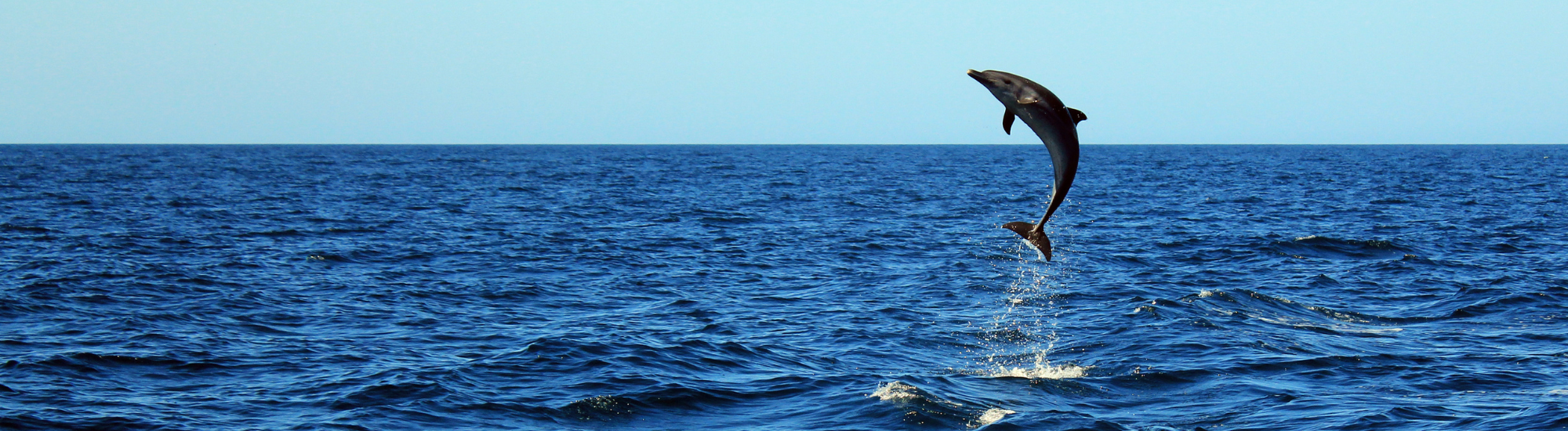
The Atlantic bottlenose dolphin (Tursiops truncatus) is instantly recognizable by its robust, streamlined body, short beak (or “bottle” nose), and curved dorsal fin. Adults typically range from 6 to 13 feet in length and can weigh between 300 and 1,400 pounds. Their coloration is generally a gradient from dark gray on the back to lighter gray or white on the belly, providing camouflage from both predators and prey.
Where to Spot Them
Bottlenose dolphins are highly adaptable and thrive in both the open ocean and the shallow estuarine waters of Murrells Inlet. On a Blue Wave Adventures tour, you’re most likely to see them navigating tidal creeks, feeding along sandbars, or playing in the surf just offshore.
Dolphin Behavior: Intelligence and Social Structure
Pod Life
Dolphins are highly social animals that live in groups called pods. In Murrells Inlet, pod sizes can range from just a few individuals to over a dozen, depending on the season and food availability. These pods are often made up of related females and their offspring, while adult males may form smaller bachelor groups or temporarily join female pods.
Pod life is essential for survival. Dolphins cooperate to hunt fish, protect each other from predators, and care for young calves. Their complex social bonds are reinforced through behaviors like synchronized swimming, vocalizations, and even playful antics like leaping and tail-slapping.
Communication and Echolocation
One of the most fascinating aspects of dolphins is their ability to communicate. Bottlenose dolphins use a variety of clicks, whistles, and body movements to convey information and coordinate activities within the pod. They also rely on echolocation—emitting sound waves that bounce off objects—to navigate murky waters and locate prey.
During your educational dolphin tour, guides from Blue Wave Adventures often point out these behaviors and explain how dolphins use sound to “see” underwater, making each sighting even more meaningful.
Feeding and Hunting
Dolphins in Murrells Inlet are skilled hunters. They feed on a variety of fish and sometimes squid, using sophisticated techniques such as:
- Fish herding: Working together to corral schools of fish into tight balls, making them easier to catch.
- Strand feeding: In rare cases, dolphins may drive fish onto mudflats or sandbars, temporarily stranding themselves to grab a meal—a behavior most often seen in South Carolina’s Lowcountry.
Guides will help you watch for these unique hunting strategies during your tour, offering a window into the daily lives of these remarkable animals.
Calves and Family Life
Spring and summer are prime times for spotting dolphin calves in Murrells Inlet. Calves are born after a 12-month gestation and are immediately able to swim, staying close to their mothers for protection and nourishment. Mothers are fiercely protective, and other pod members often help care for the young—a behavior known as “alloparenting.”
Seeing a mother and calf pair is a highlight for many guests on an educational dolphin tour, and guides are always eager to share insights about dolphin parenting and development.
Conservation: Why Your Tour Matters
Dolphins face threats from habitat loss, pollution, and entanglement in fishing gear. Blue Wave Adventures is committed to responsible wildlife viewing and conservation education. By participating in a tour, you’re not only enjoying an up-close encounter with dolphins but also learning how to protect these incredible creatures for future generations.
Guides emphasize the importance of:
- Respecting wildlife: Keeping a safe distance and never attempting to feed or touch dolphins.
- Reducing plastic use: To prevent pollution in the inlet and ocean.
- Supporting local conservation efforts: Through beach cleanups and community programs.
Other Dolphin Species: Rare Visitors
While the Atlantic bottlenose dolphin is the primary species seen in Murrells Inlet, other species occasionally make appearances offshore, especially during migrations or unusual ocean conditions. These might include:
- Common dolphins (Delphinus delphis): Smaller and more colorful, but rarely seen close to shore.
- Risso’s dolphins (Grampus griseus): Larger, with a blunt head and distinctive scarring, sometimes spotted further offshore.
Your guide will always alert you if a rare visitor is sighted and share interesting facts about their habits and habitats.
Guest Stories: Memorable Dolphin Encounters
Many guests on Blue Wave Adventures tours leave with unforgettable memories. One family recently shared,
“We watched a pod of dolphins leap and play right next to our boat. The guide explained their social structure and even pointed out a mother with her calf. Our kids were fascinated and are still talking about it weeks later!”
Another guest wrote,
“Learning about echolocation and seeing dolphins hunt together was incredible. It made us appreciate how intelligent and connected these animals are.”
Tips for Getting the Most from Your Dolphin Tour
Bring binoculars and a camera: For close-up views and fantastic photos.
Ask questions: Guides love to share their knowledge about dolphins in South Carolina.
Be patient and observant: Wildlife sightings can be unpredictable, but your guide will help you spot and interpret dolphin behavior.
Book Your Educational Dolphin Tour Today
Ready to meet the dolphins of Murrells Inlet? A Blue Wave Adventures tour is the perfect way to learn about dolphin species Murrells Inlet, witness their fascinating behaviors, and support local conservation. Whether you’re a nature lover, a family with curious kids, or simply looking for a unique adventure, you’ll leave with a deeper appreciation for the dolphins in South Carolina and the vibrant ecosystems they call home.
Sorry, the comment form is closed at this time.