
09 Jan Lowcountry Marshes in Winter — What Changes (and What Stays Wild)
The salt marshes around Murrells Inlet form one of the most dynamic ecosystems on the South Carolina coast. In summer, they pulse with bright green grasses and the hum of migrating birds. But in winter, a quieter transformation unfolds — subtle shifts that reveal resilience, mystery, and a hidden kind of wild beauty.
Join Blue Wave Adventures on a winter dolphin or wildlife cruise and you’ll see this transformation up close. From the boat, the marsh becomes a living mosaic of color and movement — less obvious perhaps, but more profound once you tune in.
The Ever-Present Spirit of the Marsh
Murrells Inlet lies at the meeting point of freshwater rivers and the Atlantic Ocean. This blend creates a unique estuarine environment — a patchwork of creeks, oyster beds, and tidal grasslands that support life at every scale. Even in winter, when temperatures dip and days shorten, the marsh stays alive beneath the surface.
The spartina alterniflora that dominates the landscape loses its summer green and fades to amber tones. Its brittle stalks dry out, crackle in the wind, and create shelter for fiddler crabs and small invertebrates lying dormant. This golden glow gives the entire inlet a tranquil, painterly feel that contrasts beautifully with the blue of the sky and water.
A Haven for Birds and Migrating Wildlife
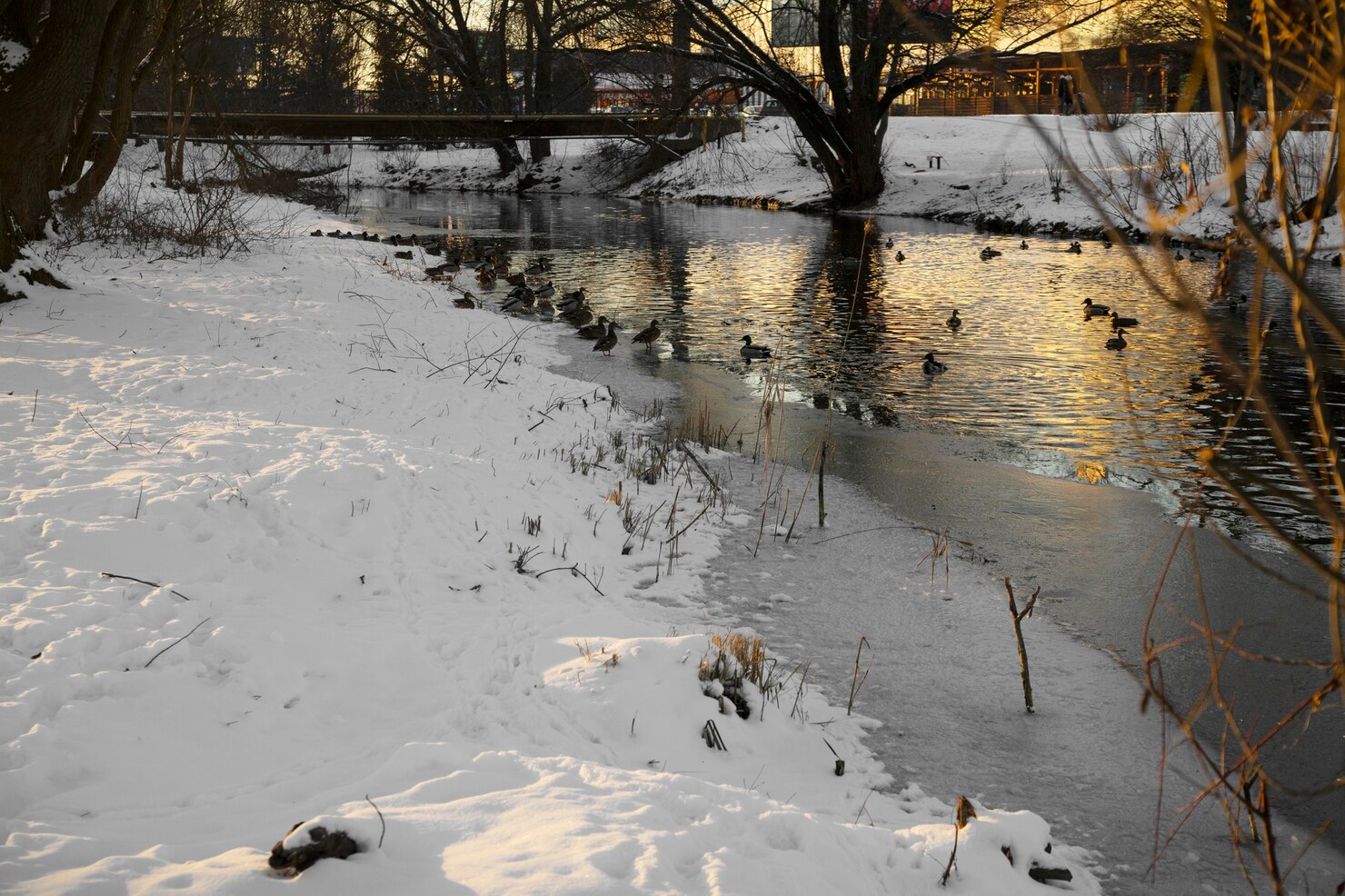
Winter in the Lowcountry brings an entirely new cast of wildlife. Migratory birds descend along the Atlantic Flyway, making the Murrells Inlet area a prime stopover. You may spot ibis and egrets hunting in the exposed tidal flats, mixed flocks of ducks feeding in the creeks, and even rare sightings like the American avocet with its curved beak gliding in the shallows.
For nature enthusiasts and photographers, winter tours with Blue Wave Adventures become birdwatching treasure hunts. Each bend in the waterway may reveal another species resting or feeding before continuing south.
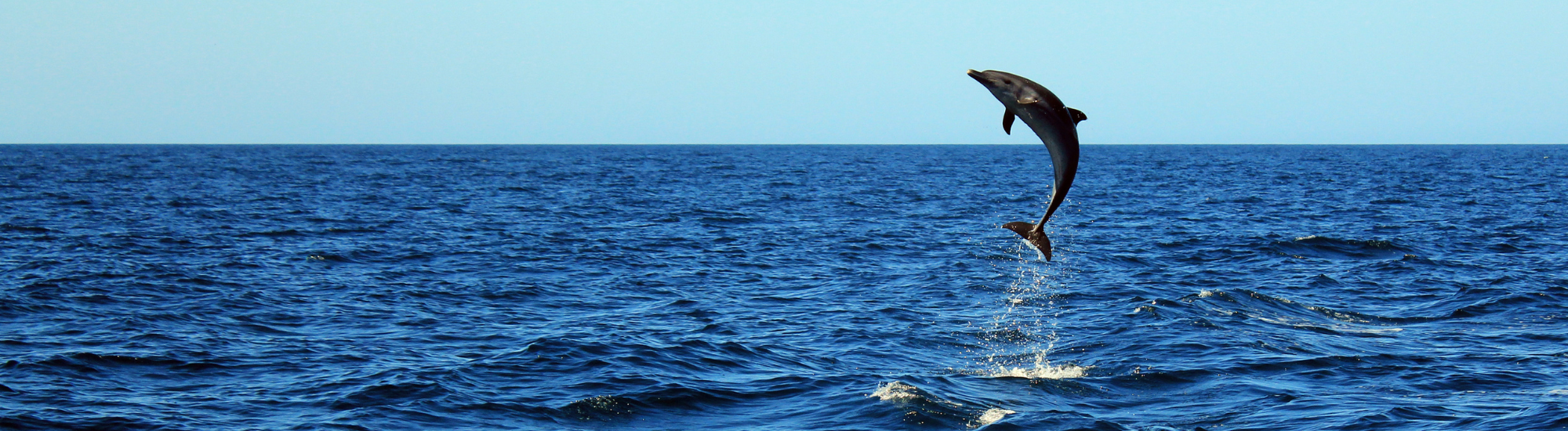
And then, of course, there are the dolphins — year-round residents who adapt to the shifting tides and cooler waters by following fish into the quieter channels. Seeing them framed against the golden marsh is one of the most memorable experiences your camera can capture.
How the Season Shapes the Ecosystem
Winter subtly reshapes the ecosystem without pausing its rhythm. With cooler water, plankton levels drop, creating clearer visibility for those on the tour. Predatory fish shift their feeding patterns, moving closer to the inlet, which in turn attracts dolphins. The nutrient cycle continues as decaying marsh grasses enrich the sediment, setting the stage for spring’s renewal.
For visitors, this season teaches an important truth: the marsh isn’t dormant; it’s preparing. Even in its subdued state, it supports a cycle of rebirth and stability that defines the coastal Lowcountry’s natural balance.
Experiencing the Marsh by Water
The best way to appreciate this complexity is from the deck of a Blue Wave Adventures vessel, gliding through winding tidal creeks where life pulses just beneath the surface. On quiet winter mornings, the water mirrors the sky, and the soundscape shifts to gentle splashes and rustling reeds. Guides share insights about dolphin behavior, marsh ecology, and the interconnected web of coastal life that sustains both ocean and land species.
These tours often blend adventure with meditation — you feel the rhythm of the tides and leave with a sense of renewal that only nature can provide.
A Season for Reflection and Renewal
While summer in Murrells Inlet buzzes with action, winter brings time for reflection. It’s an ideal moment for couples, families, and solo travelers to reconnect with nature’s rhythms and witness a side of the coast few visitors get to see. The scenery’s stillness feels almost sacred — unhurried, untamed, and utterly genuine.
Key Takeaways
- The salt marsh transforms visually but stays vibrant beneath the surface.
- Winter brings migratory birds and remarkable wildlife viewing opportunities.
- Dolphins remain active and visible near Murrells Inlet all season.
- Cooler water improves clarity, photography, and close-up ecological observation.
- Blue Wave Adventures offers immersive winter tours that highlight this hidden season of beauty.
Sorry, the comment form is closed at this time.