
15 Jun Dolphin Photography Tips: How to Get Better Wildlife Photos on Your Tour
nt Better Dolphin Photos? Start Before You Even Board the Boat
Few vacation experiences are more exciting than spotting dolphins in the wild.
Whether you’re using a professional camera, a mirrorless setup, or simply your smartphone, capturing great dolphin photos can help you relive the experience long after your tour ends.
The challenge is that dolphins are fast, unpredictable, and rarely stay above the water for more than a few seconds.
That’s why preparation makes all the difference.
If you’re planning a dolphin tour in Murrells Inlet, these dolphin photography tips can help you return home with photos you’ll actually want to share.
Why Dolphins Are Challenging to Photograph
Wild dolphins aren’t posing for the camera.
They surface unexpectedly, change direction quickly, and often appear when you least expect it.
Photographers face several challenges:
- Constant boat movement
- Bright sunlight reflecting off the water
- Fast-moving subjects
- Unpredictable surfacing patterns
- Distance from the animals
Understanding these challenges helps you prepare for success.
Put the Camera Down for a Moment
This may sound like unusual photography advice, but one of the best ways to get better dolphin photos is to spend a few minutes simply watching.
Dolphins often display patterns in their behavior.
You may notice:
- Repeated surfacing locations
- Consistent swimming directions
- Group movement patterns
- Feeding activity
Observing first can help you anticipate the shot rather than react after the dolphin disappears.
Use Continuous Shooting Mode
Timing is everything when photographing wildlife.
Most cameras and smartphones now offer burst mode or continuous shooting.
Instead of taking a single photo:
- Hold the shutter button
- Capture multiple frames
- Increase your chances of catching the perfect moment
A dolphin may only be visible for a fraction of a second, so multiple images greatly improve your odds.
Keep Your Camera Ready
One of the most common mistakes people make on dolphin tours is waiting until they see a dolphin before preparing their camera.
By then, the moment is often gone.
Before the tour begins:
- Turn your camera on
- Check battery life
- Confirm memory space
- Set appropriate camera settings
- Remove lens caps
Being ready allows you to react quickly when wildlife appears.
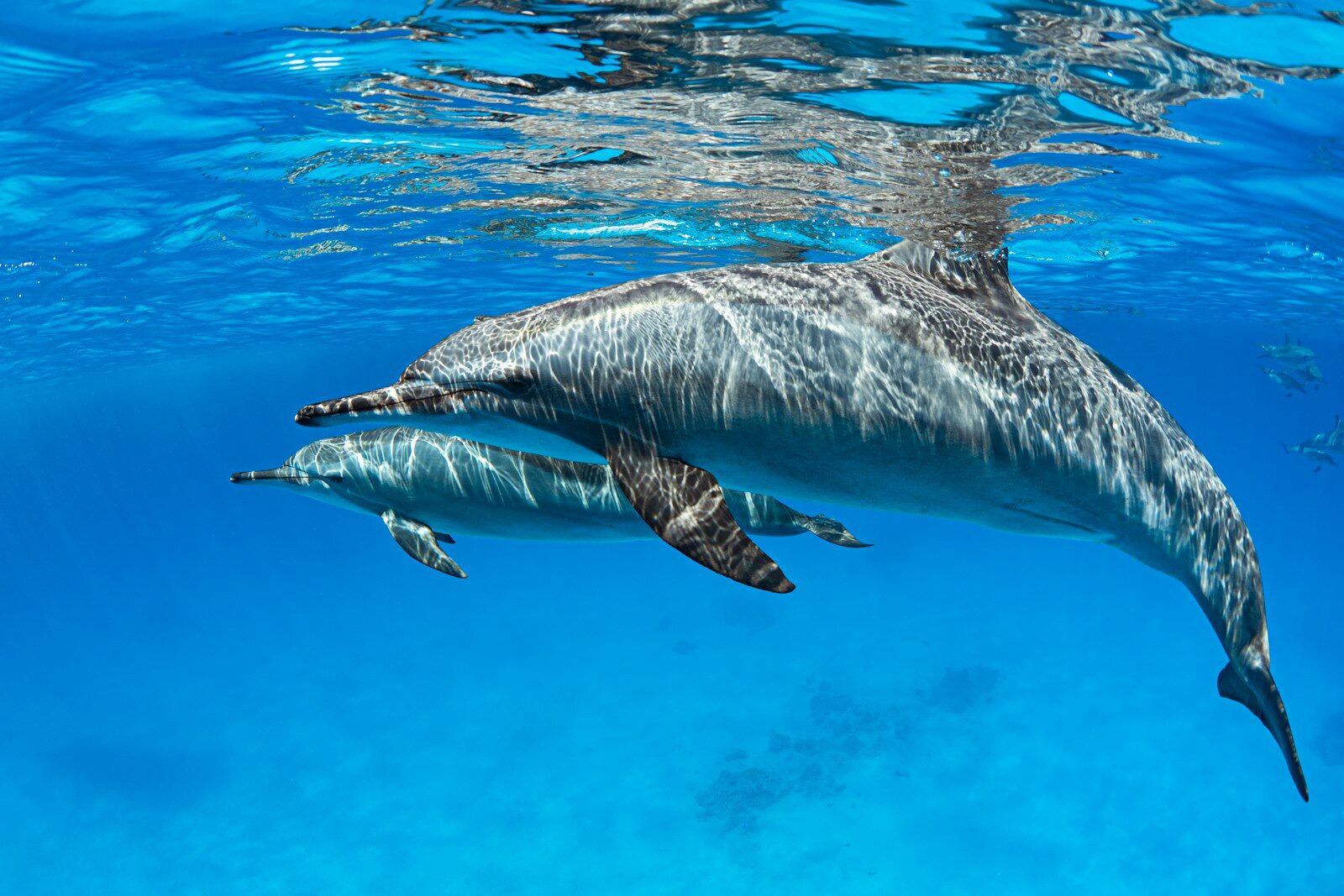
Focus on the Eyes When Possible
In wildlife photography, sharp eyes create powerful images.
While this can be challenging with dolphins, try to focus on the head and eye area whenever possible.
A clear eye often transforms a simple wildlife photo into a memorable portrait.
Position Yourself Strategically on the Boat
Where you stand matters.
When safe and permitted by the crew, look for locations that provide:
- Unobstructed views
- Minimal passenger interference
- Stable footing
- Good visibility in multiple directions
Avoid spending the entire trip looking through your screen.
Stay aware of your surroundings so you don’t miss sudden wildlife appearances.
Use Fast Shutter Speeds
If you’re using a camera with manual controls, a fast shutter speed is your best friend.
Dolphins move quickly, and boats rarely remain completely still.
Fast shutter speeds help:
- Freeze motion
- Reduce blur
- Improve image sharpness
Many wildlife photographers aim for at least 1/1000 second when photographing fast-moving marine life.
Don’t Zoom Too Much
It can be tempting to zoom all the way in.
However, excessive zoom often creates problems:
- Increased camera shake
- Difficulty tracking movement
- Reduced image quality
- Lost context
Sometimes a wider shot that includes the dolphin and surrounding environment creates a more compelling image.
Remember, storytelling is often more important than filling the frame.
Capture the Entire Experience
Many people focus exclusively on dolphin photos and miss opportunities to document the adventure itself.
Some of the best vacation memories come from photographing:
- Family members spotting dolphins
- Kids reacting to wildlife
- The boat ride
- Coastal scenery
- Sunsets
- Marsh views
- Fellow passengers enjoying the experience
These images help tell the complete story of your day.
Use Your Smartphone Effectively
You don’t need expensive equipment to capture great photos.
Modern smartphones are surprisingly capable.
Smartphone Photography Tips
- Use burst mode
- Clean your camera lens
- Avoid digital zoom
- Tap to focus before shooting
- Use landscape orientation when possible
- Take multiple photos
Many social media-worthy dolphin photos are captured using nothing more than a phone.
Pay Attention to Lighting
Lighting can dramatically affect your results.
Morning Tours
Often provide:
- Softer light
- Less harsh shadows
- More even exposure
Afternoon Tours
May create:
- Strong reflections
- High contrast
- Brighter highlights
If shooting into the sun, consider adjusting your angle when possible.
Look Beyond the Dolphins
One of the biggest surprises on a dolphin tour is the variety of wildlife you may encounter.
Keep your camera ready for:
- Pelicans
- Ospreys
- Herons
- Egrets
- Stingrays
- Coastal landscapes
Some of the most memorable images from a tour aren’t dolphins at all.
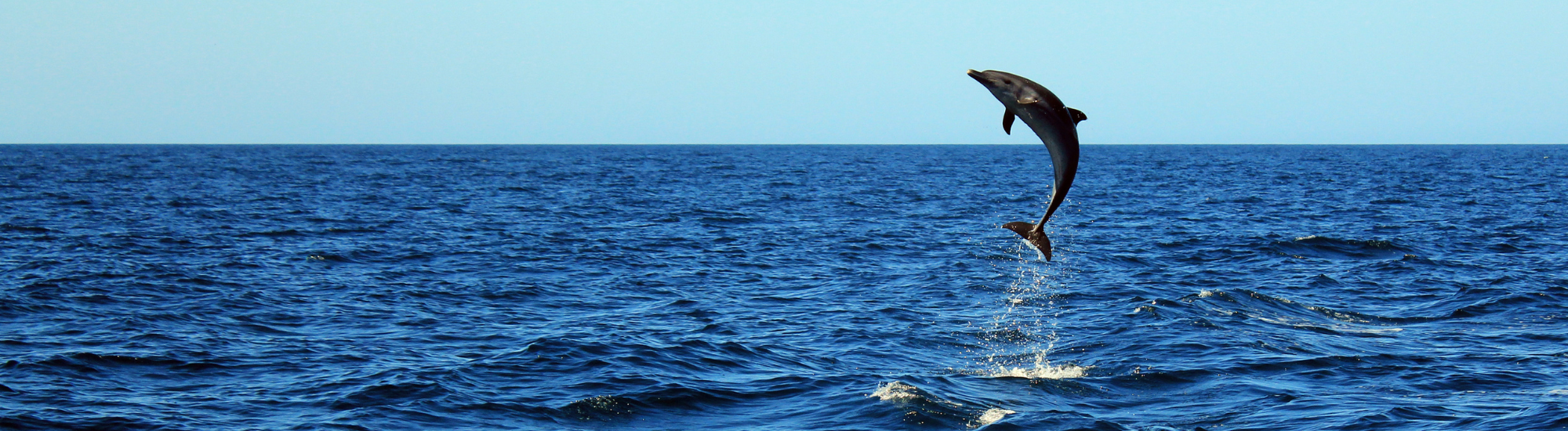
Anticipate the Jump Shot
Everyone wants the dramatic image of a dolphin leaping from the water.
While these moments happen, they require patience and luck.
Your best strategy is to:
- Keep shooting continuously
- Watch for active groups
- Follow movement patterns
- Stay prepared
Even experienced wildlife photographers miss more jumps than they capture.
Protect Your Equipment
Boats and saltwater create unique challenges.
Protect your gear by:
- Using a camera strap
- Bringing a microfiber cloth
- Keeping equipment dry
- Avoiding unnecessary lens changes
- Using weather-resistant gear when available
Salt spray can quickly affect camera equipment.
Edit Your Photos After the Tour
Even great wildlife photos often benefit from simple adjustments.
Basic edits can improve:
- Brightness
- Contrast
- Sharpness
- Cropping
- Color balance
You don’t need advanced editing skills to make a good photo even better.
Respect Wildlife While Photographing
Great wildlife photography always prioritizes the animals.
Responsible photographers:
- Observe from a safe distance
- Avoid disturbing wildlife
- Follow tour guidelines
- Focus on natural behavior
The goal is to document the experience without impacting the animals.
Why Murrells Inlet Is Great for Wildlife Photography
Murrells Inlet offers an incredible backdrop for photography.
Visitors frequently capture:
- Atlantic bottlenose dolphins
- Salt marsh landscapes
- Coastal birds
- Fishing boats
- Sunsets
- Waterfront scenery
The area’s combination of wildlife and natural beauty creates endless photographic opportunities.
Share Your Blue Wave Adventures Photos
One of the best parts of any dolphin tour is sharing your experience with family and friends.
Whether you’re posting on social media, creating vacation albums, or simply saving memories for the future, great photos help keep the adventure alive.
We love seeing the wildlife encounters and family memories our guests capture during their tours.
Experience Dolphin Watching With Blue Wave Adventures
At Blue Wave Adventures, every dolphin tour offers unique opportunities to observe wildlife in its natural environment.
Our experienced crew helps guests discover the beauty of Murrells Inlet while providing unforgettable opportunities to photograph dolphins, birds, and coastal scenery.
Whether you’re an experienced photographer or simply capturing memories on your phone, you’ll find plenty of photo-worthy moments along the way.
Book your dolphin adventure today and get ready to fill your camera roll with incredible coastal memories.
Frequently Asked Questions
What camera is best for dolphin photography?
Any camera can work, including smartphones. Cameras with fast autofocus and burst mode offer the best results.
Can I get good dolphin photos with a phone?
Absolutely. Modern smartphones can capture impressive wildlife images when used correctly.
What camera settings are best for photographing dolphins?
Fast shutter speeds, continuous autofocus, and burst mode are often recommended.
When is the best time to photograph dolphins?
Good opportunities can occur throughout the day, though lighting conditions often vary between morning and afternoon tours.
Should I bring a zoom lens on a dolphin tour?
A moderate zoom lens can be helpful, but avoid relying solely on maximum zoom. Wider environmental shots often create more interesting images.
Sorry, the comment form is closed at this time.